The fog is real. The day before told you it was coming.
A woman in her forties wakes up and the inside of her head feels wrapped in cotton. She can hear her partner ask a question, but the words have to walk a long way before they mean anything. By the time she's reached for the kettle, she's already running the inventory: am I sick again, did I push too hard yesterday, is it the antihistamine, is this just my life now?
The fog isn't a personality trait. It isn't a moral failing. And in long COVID, ME/CFS, perimenopause, post-viral recovery, and autoimmune flares, it's a documented symptom — the NIH's RECOVER initiative has tracked cognitive dysfunction as one of the most common and most disabling features of long COVID.
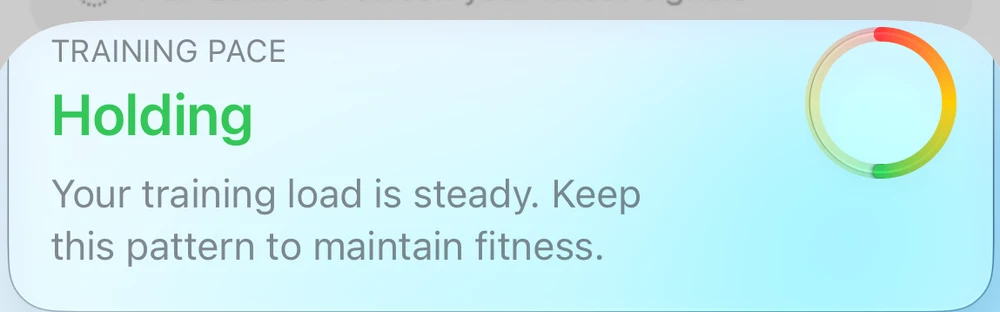
The thing nobody told her is that her body had been writing the warning down all night. Heart rate variability, resting heart rate, sleep architecture, the timing of her core body temperature low — her Apple Watch was logging the whole conversation. It just needed translating.